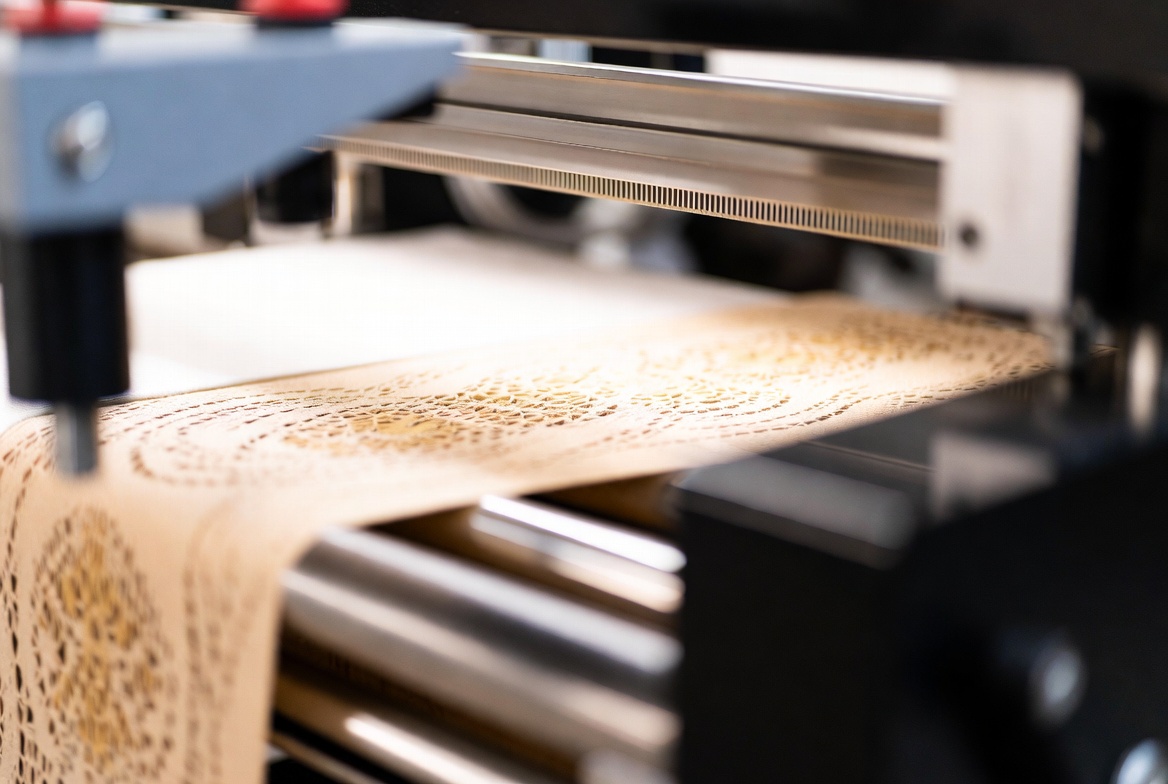
Fiber and Textile Automation
Fiber and textile manufacturing operates in a fast-moving market where quality, speed, and cost efficiency determine success. Short product lifecycles, changing fashion trends, and just-in-time delivery requirements force manufacturers to modernize production and reduce operational inefficiencies.
Automation and digital control systems help textile producers remain competitive by improving productivity, flexibility, and process reliability.
Innovation for Faster Time-to-Market
To keep pace with market demand, textile manufacturers must reduce lead times without compromising quality. Automation enables flexible production strategies that allow multiple products to be manufactured on the same equipment while lowering cost per meter.
Key advantages include:
- Faster product changeovers
- Improved production planning
- Higher consistency across batches
- Better integration with business systems
Open communication networks allow production data to flow seamlessly into enterprise systems, supporting better decision-making and quality control.
Increasing Production Efficiency in Textile Manufacturing
Automation improves performance across the entire textile value chain, from fiber processing to finished fabric. Manufacturers benefit from:
- Higher production rates in spinning, weaving, and fabric processing
- Increased uptime in continuous processes
- Reduced downtime through proven safety systems
- Better visibility into machine and process performance
These capabilities help plants operate more efficiently while maintaining stable and predictable output.
What Is Textile Manufacturing?
Textile manufacturing transforms raw fibers such as natural or synthetic materials into finished products including yarn, fabric, and garments. This process typically includes spinning, weaving or knitting, dyeing, and finishing to achieve specific textures, colors, and properties.
Each stage requires precision and consistency to meet quality standards and customer expectations.
Key Challenges in the Textile Industry
Textile manufacturers face several ongoing challenges, including:
- Quality control – maintaining consistent quality across large production volumes
- Cost management – balancing material, labor, and energy costs
- Supply chain disruptions – managing delays and raw material availability
- Technology gaps – outdated equipment limiting competitiveness
- Sustainability demands – reducing waste, water usage, and chemical impact
Automation directly addresses many of these challenges.
What Is Textile Automation?
Textile automation uses advanced machinery, robotics, and digital systems to perform manufacturing processes with minimal manual intervention. Automated systems improve precision, repeatability, and operational efficiency across textile production.
Automation can be applied to spinning, weaving, knitting, dyeing, finishing, and material handling processes.
Benefits of Automation in the Textile Industry
When implemented across operations, textile automation delivers measurable benefits:
- Improved efficiency through faster and more stable production
- Higher product quality with reduced defects and variability
- Lower operational costs via optimized labor and resource usage
- Better resource management resulting in less waste and energy consumption
- Increased flexibility and scalability to adapt to changing demand
These benefits help manufacturers remain profitable in highly competitive markets.
Textile Automation Technologies
Automation technologies can be applied throughout textile production to enhance performance and sustainability. Common technologies include:
- Robotic printing
- Automated bale handling
- Automated fiber placement
- 3D fiber structure printing
- Pick-and-place systems
- Automated fabric testing
- Laser welding
- Complex sewing automation
- Automated machine loading
Selecting the right combination of technologies depends on production goals and process complexity.
Conclusion
Fiber and textile automation is no longer optional. By adopting automated and digitally connected production systems, manufacturers can shorten product lifecycles, improve quality, reduce costs, and operate more sustainably. Automation provides the foundation for resilient, future-ready textile manufacturing.
See how our solutions can optimize your workflows, enhance productivity, and achieve measurable results.