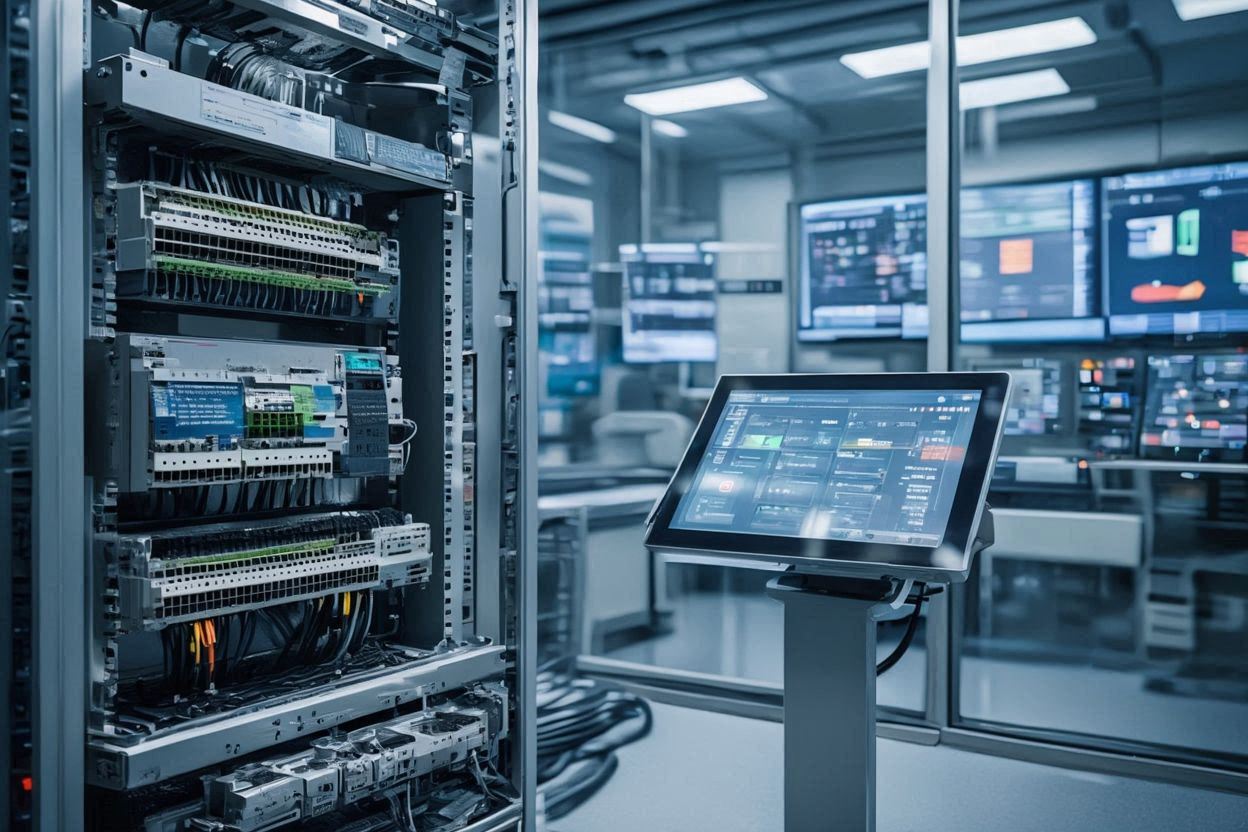
Industrial Automation Control Systems: A Key Driver of Modern Manufacturing
Industrial automation control systems are a critical foundation of modern industrial operations. They enable machines, processes, and production lines to operate automatically with minimal human intervention. By using real-time data, logic-based decision-making, and precise control mechanisms, these systems significantly improve efficiency, consistency, and safety across industrial environments.
What Are Industrial Automation Control Systems?
Industrial automation control systems are integrated solutions designed to monitor, control, and optimize industrial processes. They collect data from sensors, analyze it through control logic, and send commands to machines or actuators. This closed-loop operation allows processes to run continuously, accurately, and predictably, even in complex production environments.
These systems are commonly used to manage variables such as temperature, pressure, speed, flow, and positioning, ensuring stable and repeatable outcomes.
Core Components of Automation Control
A typical industrial automation control setup consists of several key elements:
- Control units that execute predefined logic and make decisions based on incoming signals
- Sensors and input devices that measure physical conditions in real time
- Output devices and actuators that perform physical actions based on control commands
- Human-machine interfaces that allow operators to monitor status and adjust parameters
- Industrial communication networks that ensure reliable data exchange between components
Together, these elements form a unified control architecture capable of managing both simple and highly complex processes.
Benefits of Industrial Automation Control
Implementing automation control systems delivers measurable advantages for industrial organizations:
- Higher productivity through continuous, uninterrupted operation
- Improved product quality due to consistent and repeatable processes
- Reduced operational costs by minimizing manual labor and waste
- Enhanced workplace safety by limiting human exposure to hazardous tasks
- Faster decision-making enabled by real-time monitoring and alerts
-
These benefits make automation control a strategic investment rather than just a technical upgrade.
Flexibility and Scalability in Industrial Environments
Modern automation control systems are designed to scale alongside business growth. They can be expanded, reconfigured, or integrated with higher-level systems as production needs evolve. This flexibility allows organizations to adapt quickly to changing market demands, introduce new products, or optimize existing workflows without major disruptions.
Applications Across Industries
Industrial automation control systems are widely used in manufacturing, energy production, water management, logistics, and process industries. Any operation that requires precision, reliability, and efficiency can benefit from automated control, especially where downtime or errors result in significant costs.
The Role of Data and Digitalization
Automation control systems play a central role in industrial digitalization. By generating accurate, real-time data, they enable performance analysis, predictive maintenance, and continuous improvement. This data-driven approach helps organizations identify inefficiencies, reduce downtime, and make informed operational decisions.
Conclusion
Industrial automation control systems are essential for building efficient, safe, and competitive industrial operations. By combining intelligent control, real-time data, and scalable architectures, these systems support long-term operational excellence and sustainable growth.
See how our solutions can optimize your workflows, enhance productivity, and achieve measurable results.