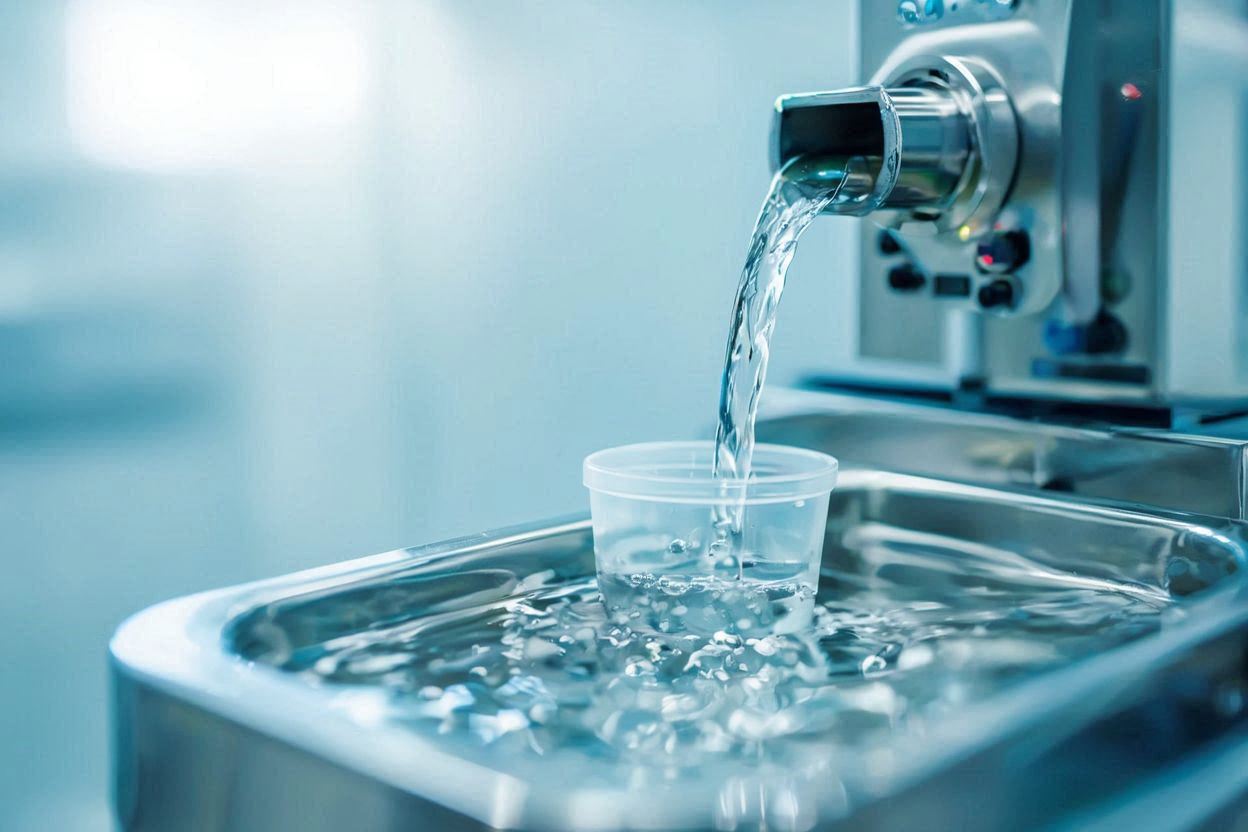
Smart Water and Wastewater Treatment Solutions
Water and wastewater utilities face growing pressures from population growth, aging infrastructure, and climate change, alongside stricter regulatory requirements and workforce challenges. To meet these demands, modern facilities are turning to intelligent automation, AI, and digital technologies to improve efficiency, sustainability, and operational resilience.
Challenges Facing Water Utilities
Water and wastewater operations contend with multiple challenges:
- Aging infrastructure – Existing facilities often struggle to meet rising demand.
- Labor shortages – Retiring skilled workers reduce institutional knowledge.
- Regulatory compliance – Increasingly strict standards require real-time monitoring and accountability.
- Climate change – Extreme weather events stress systems and threaten service continuity.
- Integration with Smart City systems – Connected, data-driven operations are becoming the standard.
Building a Smart Water Plant
Modern water plants leverage digital solutions to optimize operations, protect the environment, and ensure reliable service. Key capabilities include:
- Operational Intelligence – Real-time monitoring and AI-driven insights help operators make informed decisions, optimize performance, and reduce environmental impact.
- Workforce Productivity – Digital tools capture knowledge, streamline training, and enable remote monitoring, allowing staff to focus on higher-value tasks.
- Plant Efficiency – Resilient networks and integrated systems enhance reliability and cybersecurity while meeting regulatory requirements.
- Asset Performance – Predictive maintenance detects anomalies before they cause downtime, extending equipment lifespan and lowering costs.
- Cybersecurity – Protects critical infrastructure and ensures secure data flows across digital systems.
Benefits of Water Automation
Implementing automated systems in water and wastewater treatment provides numerous advantages:
- Greater energy efficiency – Automation optimizes energy-intensive processes such as aeration.
- Reduced chemical usage – Precise monitoring allows for efficient chemical dosing.
- Streamlined processes – Automated workflows minimize inefficiencies and operational delays.
- Efficient resource allocation – Systems ensure resources are deployed where they are most needed.
- Holistic data access – Continuous access to operational data enables informed decision-making.
- Reduced human error – Automation minimizes mistakes and improves consistency.
- Agile response to market and environmental changes – Systems can adapt quickly to shifting conditions.
- Enhanced worker safety and compliance – Digital monitoring and remote management reduce risks.
Key Applications for Automation
Water and wastewater automation solutions can be applied across:
- Pumping stations – Optimize flow and reduce energy consumption.
- Aeration and grit chambers – Improve chemical efficiency and treatment outcomes.
- Environmental emissions monitoring – Ensure compliance with regulations.
- Anaerobic digestion – Convert organic waste into renewable energy.
- Cogeneration and combined heat and power systems – Maximize energy recovery and operational efficiency.
Driving Sustainability and Resilience
By integrating digital technologies and automation, water utilities can enhance sustainability, resilience, and reliability. Smart systems provide predictive insights, optimize resource use, and reduce operational costs—all while ensuring regulatory compliance and protecting public health.
Looking Ahead
Modern water and wastewater facilities are embracing digital transformation and intelligent automation to meet current and future demands. By adopting AI, predictive maintenance, and smart monitoring, utilities can provide consistent service, improve efficiency, and prepare for a sustainable future.
See how our solutions can optimize your workflows, enhance productivity, and achieve measurable results.