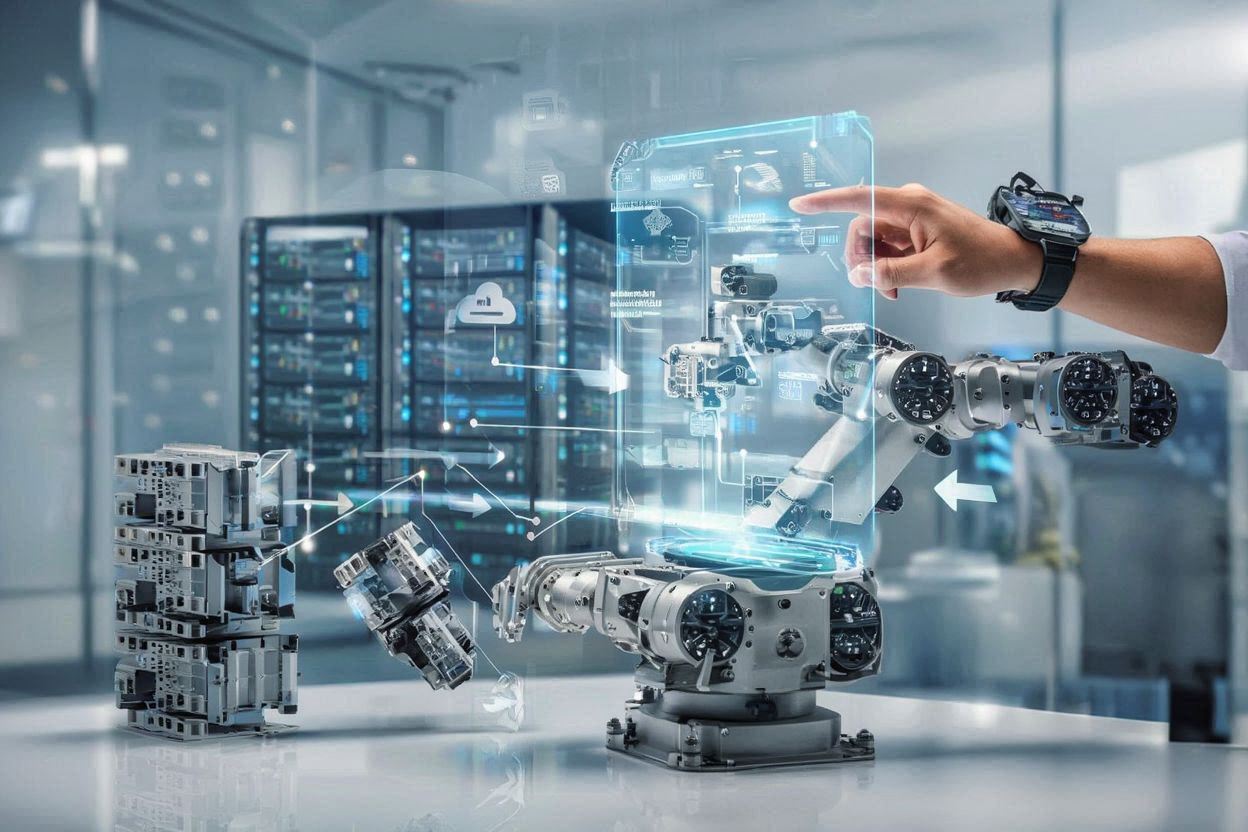
Software-Defined Automation: Transforming Modern Manufacturing
Software-defined automation (SDA) is revolutionizing industrial operations by integrating advanced software, intelligent controllers, and digital simulation tools to optimize production, improve efficiency, and reduce risk. By bridging operational technology (OT) with modern IT practices, SDA enables manufacturers to innovate faster, respond to changing demands, and scale operations seamlessly.
Why Software-Defined Automation Matters
Software-defined automation empowers manufacturers to:
- Digitally orchestrate operations: Connect machines, sensors, and systems to monitor performance and enforce best practices across the plant floor.
- Enhance control and visibility: Gain full insight into production processes to make data-driven decisions in real time.
- Ensure predictable quality: Standardize workflows and enforce compliance for consistent product outcomes.
- Scale operations efficiently: Extend infrastructure to accommodate growing production demands without compromising performance.
- Integrate modern disciplines: Incorporate robotics, artificial intelligence, machine learning, and vision systems into a unified automation ecosystem.
By leveraging software-driven workflows and digital twins, manufacturers can iterate designs virtually, test systems before deployment, and reduce both downtime and operational risk.
Key Features of Software-Defined Automation
Design
SDA provides a unified design environment that combines virtual prototyping, collaborative workflows, and reusable templates. This accelerates engineering, reduces commissioning time, and improves overall productivity.
Visualization
Advanced visualization tools create secure, flexible interfaces for human-machine interaction (HMI) and industrial IoT monitoring. Users can track operations, detect anomalies, and maintain system integrity throughout the equipment lifecycle.
Control
Integrated automation systems allow seamless communication between machinery-level controls and enterprise-level platforms. This improves decision-making, enhances operational efficiency, and enables predictive maintenance.
Scalability and Flexibility
Software-defined systems support a variety of hardware configurations, from compact controllers to high-performance computing nodes. This allows manufacturers to tailor solutions for specific industry requirements and scale as production demands grow.
Benefits of Software-Defined Automation
- Increased efficiency: Streamline operations, minimize downtime, and optimize resource usage.
- Improved quality: Enforce standards, reduce defects, and ensure compliance.
- Enhanced traceability: Monitor materials, processes, and workflows for transparency and audit readiness.
- Seamless integration: Connect software, IoT devices, and enterprise systems for a unified manufacturing ecosystem.
- Faster innovation: Leverage digital twins, AI, and automated testing to accelerate design and deployment cycles.
Applications Across Industries
Software-defined automation can be applied across a wide range of manufacturing sectors, including:
- Automotive and electric vehicle production
- Pharmaceuticals and life sciences
- Consumer packaged goods
- Industrial machinery and electronics
By tailoring software-driven solutions to industry-specific challenges, manufacturers can improve production speed, optimize quality, and meet regulatory requirements.
Driving the Future of Manufacturing
As industries evolve, software-defined automation provides the foundation for a connected, resilient, and intelligent production environment. By integrating real-time data, predictive analytics, and flexible control systems, manufacturers can enhance operational excellence, reduce costs, and stay competitive in a rapidly changing market.
See how our solutions can optimize your workflows, enhance productivity, and achieve measurable results.